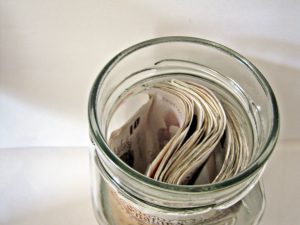
Good months give you the chance to prepare for lean times ahead. Your biggest earning period should cover more than just current bills today. Smart seasonal workers save money during busy periods for the gaps. This planning makes the quiet months much less stressful for your family. Building up cash reserves takes discipline when money flows in quickly.
Debt payments work best when you pay extra during high-income periods. Your credit cards and loans get ahead when earnings peak each year. Extra payments during good months reduce what you owe during slow times. This approach cuts total interest costs over the full year significantly. Forward thinking prevents debt from growing during the off-season completely.
Emergency Funding When Bills Cannot Wait
Some expenses cannot wait for your next busy season to start. Your car breaks down or medical bills arrive at the worst time. Essential repairs and urgent costs need handling regardless of your income. Waiting months for steady pay creates bigger problems than borrowing money. Quick solutions prevent small issues from becoming major financial disasters later.
Many people wonder, “I need a loan of 2000 pounds, will I get it?”. Your seasonal income pattern makes traditional lending more difficult to access. Some lenders understand irregular pay cycles and offer flexible loan terms. Short-term borrowing costs less than missing important payments or losing assets. Emergency loans provide breathing room until your next earning period begins.
Map income months and gaps
Knowing when money comes in helps you plan everything else around it. Your work might pay well for six months, then nothing for three. Some people earn most of their cash during summer or winter only. Tourism, farming, and retail jobs often follow these uneven patterns completely. Writing down these cycles shows you the real picture of your finances.
Average yearly earnings give you a much better idea of spending limits. Your monthly budget looks very different when spread across twelve months instead. High-earning periods can fool you into thinking you have more money. The math works better when you divide the total yearly pay by twelve. This number becomes your real monthly budget for planning debt payments properly.
- List each month as high income, medium income, or no income periods
- Add up total yearly earnings, then divide by twelve for a real budget
- Mark your three highest-earning months for extra debt payments
- Identify the longest gap periods when no money comes in at all
- Track which bills hit during low-income months versus high-income months
- Note any work expenses that only happen during busy earning periods
Prioritise debts by urgency
High-interest debts eat up more money the longer you wait to pay. Your credit cards charge much more than your car loan does. Focus extra money on the expensive debts first while keeping others current. This approach saves you hundreds of pounds over time through lower interest costs. Smart debt ordering cuts your total payments down significantly over the long run.
Keeping small payments on everything prevents your credit from getting damaged badly. Your credit score drops when any account goes into default or has missed payments. Even tiny amounts paid monthly keep accounts active and in good standing. Lenders care more about payment history than the actual amounts you send. Protecting your credit opens more options when you need emergency funding later.
- Pay minimums on all debts first before putting extra toward any one debt
- List debts from the highest interest rate down to the lowest for priority order
- Separate essential debts from optional ones when money gets tight
- Track which debts have the most flexible payment terms for lean months
Negotiate repayment terms
Most lenders will work with you if you explain your seasonal work situation. Your payment history and honesty about income gaps often get good results. Banks prefer getting something rather than nothing when people struggle with payments. Many companies have hardship programs designed exactly for situations like yours. Asking early prevents problems and shows you want to pay responsibly.
Timing payments around your earning cycles makes everything much more doable. Your high months can handle bigger payments while low months need smaller ones. Some lenders will formally adjust your payment schedule to match income patterns. Others might note your situation and work informally with late payments. Getting agreements in writing protects you from misunderstanding later on.
- Contact each lender before you miss any payments to explain work patterns
- Ask for payment date changes to match when your income arrives monthly
- Request higher payments during peak months with lower ones during gaps
- Get any new payment agreements confirmed in writing for your records
- Explain your total yearly income to show you can pay over time
Build a buffer during peak months
Peak earning months feel great, but the money disappears fast without planning. Your natural urge might be to spend more when cash flows in heavily. Smart seasonal workers save a fixed amount from every good paycheck received. This money stays untouched except for covering debt payments during slow periods. Discipline during good times prevents panic during the lean months ahead.
Easy access savings accounts work better than locked investments for seasonal workers. Your emergency money needs to move quickly when bills come due unexpectedly. High-yield savings accounts earn some interest while keeping funds available daily. Avoid anything with penalties for early withdrawal or access limits monthly. Simple savings accounts give you peace of mind and quick access together.
- Save twenty to thirty per cent of each high-earning month’s paycheck automatically
- Open a separate savings account only for seasonal debt payment money reserves
- Never touch buffer money except for debt payments during income gaps
- Build enough to cover three full months of minimum debt payments completely
- Keep buffer money in easy-access accounts without withdrawal penalties or limits
- Track how much buffer money gets used each slow season for planning
Conclusion
Cutting expenses becomes critical when paychecks stop coming in for months. Your spending habits must change completely during the lean earning periods. Non-essential purchases wait until the busy season starts up again next year. Food costs drop through meal planning and cooking at home more often.
Debt management becomes much harder when income stops flowing in regularly. Your minimum payments stay the same while earnings drop to zero. Contact lenders early to explain your seasonal work situation before missing payments. Many companies offer payment deferrals or reduced amounts during documented hardship periods. Honest communication prevents credit damage and keeps accounts in good standing overall.