
Have you ever reflected on how the seemingly minor details in our immediate environment can make a world of difference in terms of safety? More specifically, have you ever thought about how crucial a bedside crash mat can be for patient safety, especially for those vulnerable to falls? With the peace and tranquility of our homes at stake, exploring this underappreciated element of home care has never been more critical.
Given the importance of bedside crash mat in preventing unnecessary injuries and promoting a safe recuperating environment, it’s worthwhile to delve deeper into the topic. This article is written to enhance your understanding of how this unassuming mat at the bedside can drastically improve patient safety at home. Join us as we dissect why it’s essential, when it should be used, and what considerations to keep in mind before getting one for your loved ones.
What Is A Bedside Crash Mat?
Described as a low-profile, high-density safety mat, a bedside crash mat serves a proactive aid in home safety. Primarily, it’s intended to lessen the impact of falls, reducing the chance of injuries that may otherwise occur within the vicinity of a bed. The mat is typically made of foam and covered with an easy-to-clean, durable material that allows it to withstand daily wear and tear.
The purpose goes beyond mere cushioning as it also acts as a visual and physical indicator for spatial awareness. A physical boundary, one might say, that informs the user of the bed’s edge, discouraging unintentional roll-offs or hurry-outs. In such subtle ways, crash mats ensure a safer environment for our loved ones.
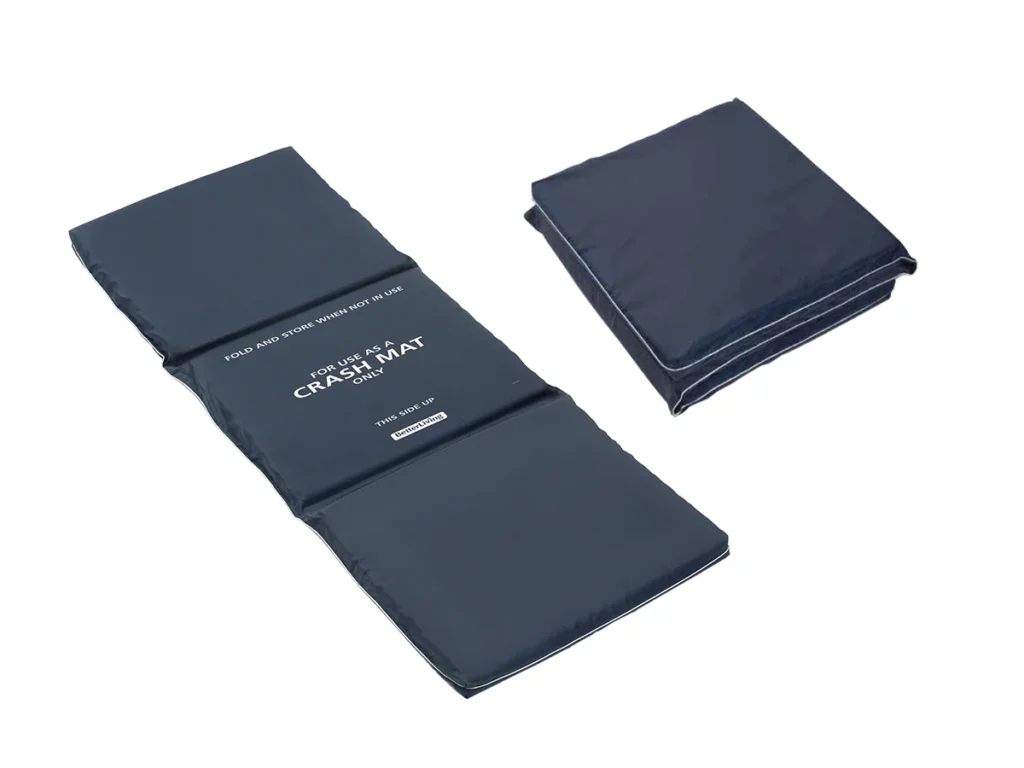
Unveiling The Necessity Of A Bedside Crash Mat
The significance of a crash mat becomes glaringly evident when we understand the vulnerability of certain individuals to falls. Patients recovering from surgical procedures, the elderly with balance issues, children, and individuals living with neurodegenerative disorders are prone to unexpected falls by the bedside. A simple tumble can lead to serious consequences in these cases.
Research corroborates that the use of crash mats significantly reduces injuries from falls. It provides the perfect safety layer for patients who experience nocturnal confusion or suffer from conditions like dementia or Parkinson’s disease that compromise motor control. In essence, a crash mat caters to the safety needs of the most vulnerable amongst us, proving its indispensable value in home care.
Considerations For Choosing The Right Crash Mat
Choosing the ideal crash mat involves assessing several factors. Alongside first-rate material quality, aspects like mat thickness, non-slip backing, and breathability come into play. Essentials like mobility (its weight and ease to roll up), ease of cleaning, and resistance to bacterial infestation should not be overlooked either.
It’s also vital to complement the mat with an effective monitoring system. Sensors, alarms, or video monitoring can help ensure when a loved one leaves the bed, appropriate actions can be taken promptly. Remember, a crash mat is a crucial part of a larger safety ecosystem within your home.
The Pros And Cons Of Bedside Crash Mats
Like any product, crash mats have their advantages and disadvantages. On the positive side, they offer excellent protection from falls, can be easily cleaned, are portable and replaceable. They also offer peace of mind to caregivers, knowing a safety measure is in place should a patient roll out of bed.
However, on the downside, some people might find the mats obstructive, resulting in trips rather than preventing them. Also, some users may not like the visual impression the mat creates, perceiving it as a constant reminder of their predicament. One must weigh these pros and cons before incorporating a crash mat into the home safety setup.
Conclusion: Embracing The Essential Role Of Bedside Crash Mat For Patient Safety
In essence, bedside crash mat symbolize much more than a mere functional accessory. They are proactive, physical safeguards that provide a bedrock of stability and safety for those most vulnerable to falls. By attenuating the impact of a fall, while simultaneously acting as a spatial guide, they are pivotal in ensuring a secure environment for patients at home.
Critically choosing the right mat, understanding its functionality, and incorporating it into a broader safety plan can significantly reduce the likelihood of injuries from falls at bedside. They’re not just mats lying on the floor, they’re crucial safety buffers that demand due attention and understanding. Through this article, I hope I’ve armed you with the insights to make a well-informed decision about employing bedside crash mat for patient safety. After all, empowering ourselves with knowledge is the first step towards creating safer sanctuaries for our loved ones.