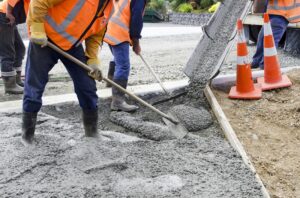
A modern solution, permeable paving allows rainwater to pass through the surface and filter directly into the soil below. By contrast, traditional paving prevents rainwater from soaking in and results in surface runoff, causing flooding. The design employs stormwater management to allow for natural absorption. This innovation streamlines the design of outdoor spaces and simultaneously enhances environmental sustainability and water management.
As the pace of urbanisation increases, cutting down on natural drainage systems, permeable paving is very important for balancing groundwater recharge and drainage system relief, as it is most often used in areas that range from driveways, walkways, and patios to parking areas, in landscapes that require durability and environmental-friendly functionality.
Importance of Permeable Paving in the Contemporary World
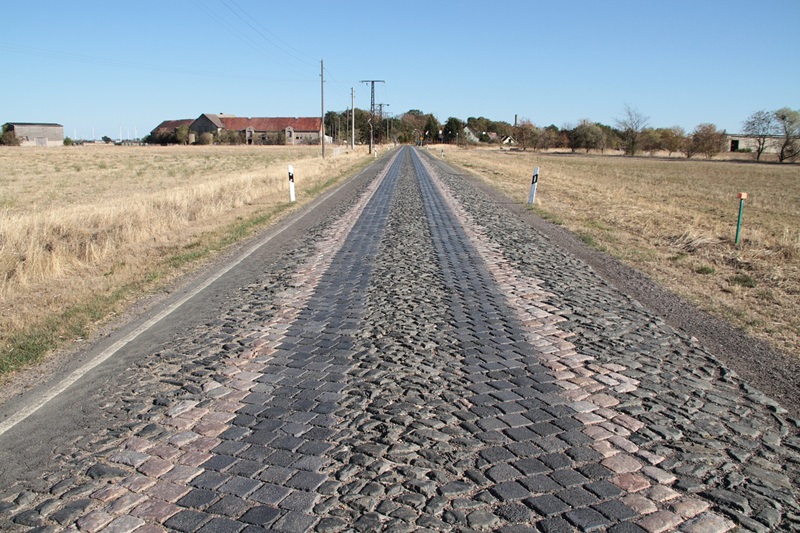
Permeable paving fits with contemporary design concepts that favour sustainability over functionality and visual appeal. It helps in the prevention of soil erosion, limiting the risk of flooding and sustaining healthier ecosystems by allowing rainwater to seep naturally into the ground. The good quality of water is equally enhanced by filtration of pollutants as the water traverses through the paving structure.
In addition to caring for the environment, permeable paving creates property value since it offers a clean, modern finish that seamlessly complements the surrounding landscape. Its efficient water management system renders it a viable choice for residential as well as commercial properties.
Materials Generally Used in Permeable Paving
Different materials are employed for permeable paving systems, each exhibiting particular characteristics and providing performance advantages. Porous concrete is a commonly favoured solution owing to its strength coupled with its capacity to allow water to seep through small voids within its body. Interlocking concrete or stone permeable pavers, while applying pressure to gap openings to allow water to infiltrate, maintain structural stability.
Gravel provides yet another widely approved material for excellent drainage with an eye-catching natural look. Resin-bound aggregates bring together durability as well as some aesthetic versatility, yielding smooth finishes, while still making allowances for permeability. Choice of materials therefore depends on load requirements, visual aspects, as well as environmental conditions pertaining to the project area.
Design Considerations for Effective Performance
A properly considered design and installation mean that permeable paving systems will work efficiently. A well-constructed permeable system shall maintain drainage with a layered base whilst keeping surface stability. Factors such as soil type, rainfall pattern, and anticipated load must go into the design for longevity and best functionality.
Good spacing between the pavers and a properly compacted subbase will permit accelerated water infiltration into the ground while delaying the possibility of clogging. Design accuracy ensures the paving system will stay effective and aesthetically pleasing throughout its service period.
Balancing Aesthetic and Functionality
The purpose of permeable paving is not only to serve its function. It has design options ranging from natural stone textures to decorative patterning and contemporary colour schemes. This versatility allows the homeowner and the designer to create visually appealing outdoor spaces that suit the architectural style.
Responsible for complementing the driving force while providing smart drainage, permeable paving enhances curb appeal. It’s how one practical application becomes a gracious landscape feature.
Benefits to the Environment and Sustainable Capacity
Permeable paving is one of the major environmentally friendly types of paving. It reduces surface runoff, prevents water stagnation, and thereby reduces urban flooding risk. By letting rainwater go through the surface and into the ground, it assists in recharging the groundwater and alleviating the load on stormwater systems.
The solution, in turn, regulates temperature by minimizing heat retention and ensuring comfortable outdoor environments that are environmentally friendly.
Maintenance and Durability
With proper maintenance, permeable paving systems can last for years. Regular cleaning ensures that dirt and debris do not clog pores or joints that facilitate drainage. Regular inspections ensure that the paving will continue performing as designed and will look appealing at all times.
With the right care and expert installation, permeable paving provides lasting and durable installations that will function well in the following years.
Residential and Commercial Uses
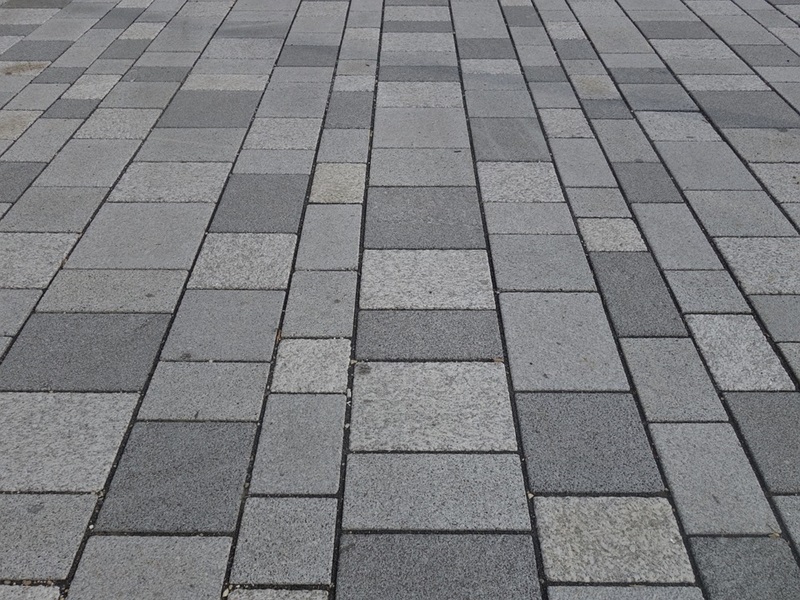
Permeable paving is adaptable and can be used in applications from small residential jobs to large commercial projects. It is widely applied in driveways, parking lots, garden paths, pool decks, and public walkways, places where drainage becomes essential.
Its versatility and durability put its selection at the top of the chart for modern-day infrastructure planning.
Frequently Asked Questions (FAQs) About Permeable Paving
FAQ 1: Does permeable paving support heavy vehicles?
Provided that the paving concrete is engineered and laid properly, it can take heavy loads and is appropriate for driveways and parking stalls with normal traffic of vehicles.
FAQ 2: Is there special maintenance for permeable paving?
Maintenance consists of routine cleaning to avoid build-up from debris and other materials during the inspection for performance not less than once in a year.
FAQ 3: Is permeable paving able to mitigate flooding risks?
Yes, by allowing water to permeate into the ground, it prevents high runoff of rainwater thereby controlling flood and water management.
Conclusion
Permeable paving is the new way of modern construction-a marriage of environmental stewardship and design flexibility. Permeable pavements are different because they not only have a beautiful appearance, but they will also meet the drainage requirements of the property; therefore, property owners will want to become educated on the materials they are using, the design principles, and the evaluation of life-cycle benefits.
This system not only provides drainage but also contributes to sustainable urban development. When used in the design of outdoor spaces, permeable paving ensures a beautiful, efficient, and environmentally responsible design that offers value and performance for years to come.