Reformer Pilates, a form of body conditioning that improves skeletal alignment, core stability, flexibility, muscle strength and endurance, owes its inception to Joseph Pilates, a physical trainer from Germany. Often performed on a contraption known as a ‘reformer’, this practice embraces careful, controlled movements rather than high-intensity, sweat-inducing workouts.
Reformer Pilates has been increasingly associated with holistic wellness and pain management. The fusion of body, mind, and spirit integral to this approach finds resonance with the philosophy of holistic wellbeing. It’s individualized, low-impact, and therapeutic nature comes as a breath of fresh air to those battling with chronic ailments, specifically in areas associated with pain management.
As with any healing or rehabilitative practice, understanding the root of the problem is key. In the realm of wellness, the comprehensive understanding of pain elucidates the path to managing and mitigating it. Working from this foundational principle, the relevance of Reformer Pilates in pain management demands exploration.
Understanding Pain Management
Pain management is a cross-disciplinary sub-speciality of medicine that uses a comprehensive approach to alleviate pain and improve the quality of life for patients living with chronic or acute pain. It often engages several strategies ranging from medication, therapies, counselling, and lifestyle changes, amongst others.
Exercise and movement are powerful allies in the battle against pain. Regular exercise prompts a natural pain relief response in the body via endorphin release. Exercise also strengthens the body, thereby reducing susceptibility to injury and pain in the long run.
Yet while traditional workouts might bring results, they are not unanimously a viable option for everyone, especially those battling chronic pain, injuries, or age-related infirmities. The intensity, lack of individual attention, and emphasis on speed rather than form in regular workouts can unintentionally cause harm. This predicament is where Reformer Pilates enters the picture.
Rise of Reformer Pilates in Pain Management
Reformer Pilates research provides a gentler alternative to intense, high-impact workouts. With its emphasis on mindfulness, control, precision, alignment, and breathing, it equips individuals with a tool to manage and alleviate pain.
An increasing number of physiotherapists and trainers have been recommending Pilates to manage pain conditions, particularly chronic back pain, osteoarthritis, fibromyalgia, and post-surgical rehabilitation. The balance of strength and flexibility that Reformer Pilates fosters, especially in the spinal and pelvic regions, is a boon in these conditions, amongst others.
Study of Reformer Pilates Techniques
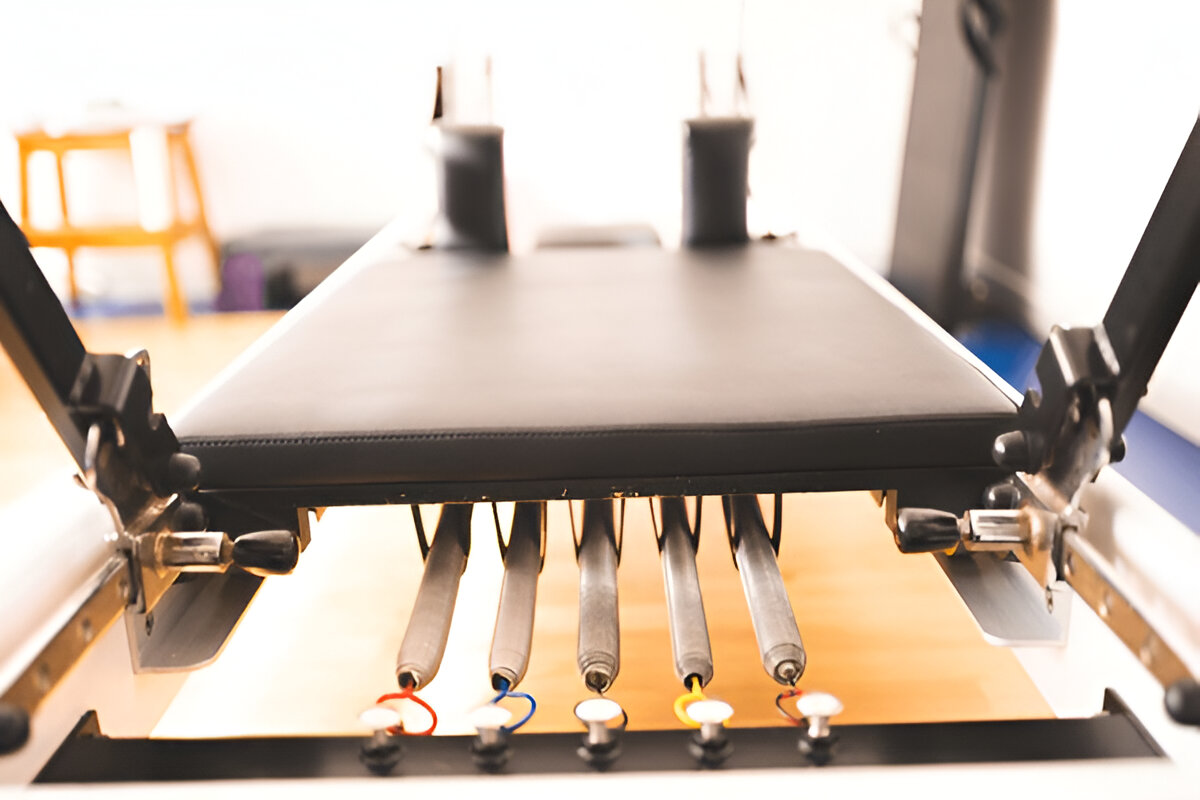
Undertaking Reformer Pilates involves utilizing a piece of equipment known as the ‘Reformer’, specifically designed by Joseph Pilates. Spring-loaded resistance engages targeted muscles while performing Pilates exercises, all while maintaining an optimal form of alignment.
The essence of Reformer Pilates is centred around optimal postural alignment, deep core stability, and controlled, precise movements. These contribute to improved body awareness and gracefully coordinated movement, thereby aiding in pain relief.
Research Supporting Reformer Pilates for Pain Management
Several scientific studies lend credibility to the efficacy of Reformer Pilates in pain management. A Research published in the Journal of Orthopaedic & Sports Physical Therapy demonstrated that patients who engaged in Pilates showed significant improvements in pain and functional status. Additionally, another study from the Journal of Physical Therapy Science reported a significant reduction in low-back pain intensity after a Reformer Pilates regime.
These research papers hold noteworthy merit as they reinforce the empirical experiences of individuals by presenting hard scientific data. Yet, they also stress the importance of a customized approach and certified instructor guidance in Reformer Pilates, especially for individuals with pain conditions.
Incorporating Reformer Pilates into Your Pain Management Plan
Before incorporating Reformer Pilates into your pain management plan, considering your health history and current capabilities is vital. Collaborating with a certified Pilates instructor and your healthcare provider to customize a program suited to your unique needs goes a long way in ensuring a safe and beneficial practice.
Progress in Reformer Pilates is not overnight and often demands a regular, disciplined practice moderate in intensity. It’s important to listen to your body and avoid pushing its limits as this could potentially exacerbate existing problems.
Finding a Reformer Pilates Studio: Things to Consider
Seeking a qualified instructor and a well-equipped studio sensible, as they would ensure proper guidance and safety. Checking the certification and experience of instructors, personally visiting the studio to assess the condition of reformers and other equipment, and understanding the studio’s safety protocols and emergency preparedness is crucial.
Conclusion
While there is no panacea for pain, movements, and methods like Reformer Pilates certainly pave the path towards effective pain management.
In closing, Reformer Pilates with its unique techniques, evidence-backed benefits, and emphasis on an individual-specific approach offers a promising addition to pain management strategies. With trained supervision and a consistent approach, it can nullify pain’s debilitating effects, restoring vitality and a zest for life.