In architectural design, are there any explorations beyond the common comfort zones of stone, brick, and wood? Are you already thinking about resilient and elegant materials that make structures more than just eye candy for our pleasure but also consider durability, usefulness, and sustainability? Welcome aboard to a discussion of zinc wall cladding-an exotic material for the future of architecture.
There are so many choices before architects and design enthusiasts in terms of the selection of suitable building materials. It must be concerned that notwithstanding the keen priority placed on beauty and aesthetic appeal, life span and maintenance, environmental impact, and cost would also have to be considered. But what if there were a material that were all? A metal so brilliant and yet so strong and sustainable that it is changing the face of the design world. Enter zinc- the ultimate stylist with brute strength.
The purpose of this paper is to enter an engaging discussion on zinc wall cladding-its characteristics, advantages and disadvantages, and questions of sustainability-to assist in explaining this unusual material that more designers are using.
Understanding Zinc Wall Cladding – What is It?
Zinc wall cladding represents a real breakthrough in building envelope technology. The metal sheets provide the architects the ability to bend, twist-the-form to suit their artistic fancy.
The durability of zinc allows it to survive the most stringent weather conditions. It is also high in aesthetic appeal-so it gives buildings a very modern, sleek look, which makes them stand out among the surroundings of dull traditional stone or brick.
While zinc cladding is a common feature associated with commercial buildings, it has now been rapidly gaining acceptance in residences, where it gives the homeowner an opportunity to confer an avant-garde, contemporary look to his/her home.
Why Choose Zinc Wall Cladding?
But why are designers going for and experimenting with innovative designs in zinc wall cladding?
This is because it has a few high-utility benefits. An even more beneficial thing would be that this coater will last long enough, at least so the customers can afford to pay for the material once in their entire lifetime. When it comes to longevity and life expectancy of a roofing material, the product most favoured by individuals is steel roofing. Steel roofs not only survive severe weather, but they also seem indestructible and have the least maintenance in machinery, trucks, and labor. The lifespan is promising-it has more than a hundred years! A fascinating characteristic of zinc is its self-healing ability. Scratches on the surface regenerate over time due to the material’s natural weathering process – a remarkable feature in the domain of wall cladding.
Unquestionably, its visual impact is equally enthralling. Zinc radiates a contemporary, chic vibe, characterized by its crisp lines and sleek surface – a surefire way to establish a distinctive aesthetic.
Pros and Cons of Zinc Wall Cladding
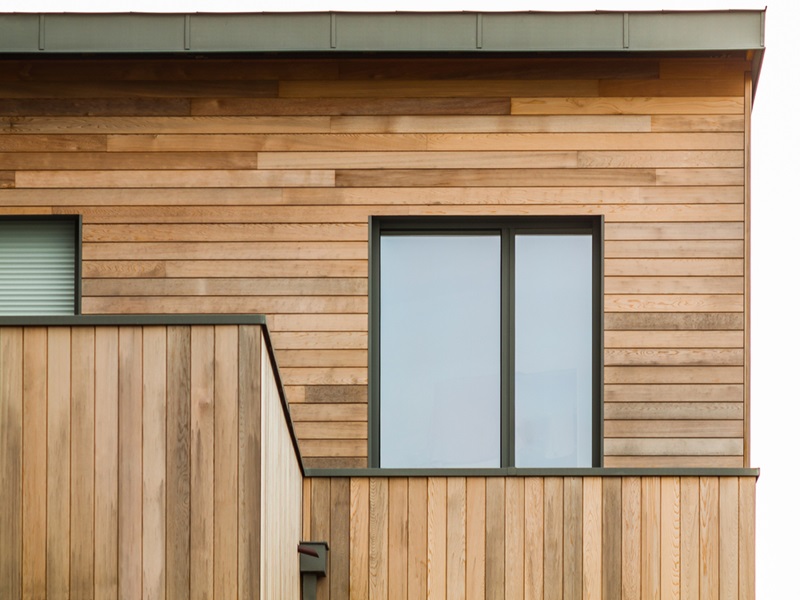
But like any other cladding material, zinc cladding has its own advantages and disadvantages. It is one of the most eco-friendly, versatile, lightweight, and durable materials that architects prefer for a minimalist and modernistic look in their buildings. It is recyclable, has very little thermal expansion, and that represents a good reduction in wastage and better energy efficiency.
Yet, the cost may not be the lowest of all forms of cladding materials. Zinc also reacts to certain substances like concrete or lead, which could lead to staining. However, its pros by far weigh heavier than its cons, making it an ingenious choice for cladding.
The Sustainability of Zinc Wall Cladding
The conversation about any material is incomplete without touching upon its environmental implications. Fortunately, zinc fares excellently on this front.
Zinc cladding contributes significantly towards green building ratings. It’s recyclable without loss of properties, and most zinc production stems from recycled sources. It requires less energy to manufacture and has a considerably lower carbon footprint than numerous other cladding materials.
When and Where to Use Zinc Wall Cladding?
The use of zinc wall cladding is important by understanding its applicability. It’s good for contemporary architectural designs since it carries modern aesthetics, but it can still be incorporated in old applications and give wonderful results in terms of striking contrast.
Zinc cladding would cater to all the harsher weather conditions, given its sturdiness. In addition, it is an ace choice for constructions that should look very innovative and avant-garde or aim their highest sustainability scores in green building rating systems.
Conclusion
Zinc wall cladding is a highly innovative, sustainable, and breathtakingly beautiful option, one that is truly changing the face of architecture.
Cost can be an impediment for some, but the requirements of the lifetime value of zinc, its durability, almost maintenance-free needs, and scream-out aesthetics would have to be considered. When you think beyond the upfront costs, zinc cladding proves to be an investment promising long-term returns.
With sustainability becoming the lodestar of modern architecture, zinc’s low environmental impact places it at the forefront of preferred materials. Pioneering, aesthetically versatile, and architecturally sound, zinc wall cladding is not just a passing fad – it is, indeed, leaping into the future of building design.