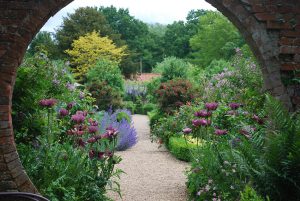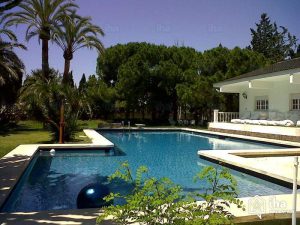
Landscaping plays a major role in how visitors, customers, and tenants perceive a property. Whether you manage a commercial complex, a retail storefront, or a rental community, well-maintained outdoor spaces communicate professionalism, safety, and attention to detail. The challenge is balancing aesthetics with practical maintenance routines, and doing so efficiently.
Below are landscaping strategies that help businesses elevate curb appeal, improve property value, and streamline outdoor operations.
1. Design With Purpose, Not Just Aesthetics
Every commercial property serves a specific function, and the landscaping should support that purpose. Walkways, plantings, seating areas, and lighting all contribute to how people navigate and experience a space.
Key Considerations
• Use shrubs and hardscaping to guide foot traffic naturally.
• Choose drought-tolerant or native plants to reduce long-term maintenance.
• Install lighting that highlights entries and improves evening visibility.
• Incorporate seating areas where appropriate to encourage longer stays.
Thoughtful design isn’t only attractive; it supports the daily flow of customers and employees.
2. Streamline Operations With Digital Tools
Commercial properties often require coordinated landscaping efforts across multiple locations, work crews, or vendors. Many businesses use landscape business software to manage maintenance schedules, track materials, create service routes, and centralize communication. These tools reduce costly oversight errors and help ensure that essential tasks including irrigation checks or safety inspections aren’t missed.
Efficient workflows lead to smoother operations and more consistent results across every site.
3. Choose Low-Maintenance Plants
Low-maintenance landscaping keeps properties attractive even when managed remotely or across multiple locations. Ideal choices include evergreen shrubs, ornamental grasses, long-blooming perennials, and trees with minimal debris.
For remote business owners, predictable maintenance costs are crucial and unavoidable. Planning plant selections while utilizing business operation resources helps manage expenses and avoid unexpected upkeep challenges.
4. Use Hardscaping to Reduce Maintenance Costs
Hardscaping elements such as stone pathways, retaining walls, gravel beds, and raised planters reduce the amount of turf and beds that need regular care. They also help with drainage, accessibility, and outdoor safety, especially for high-traffic commercial areas.
Quality hardscaping also reduces erosion and protects the building’s foundation, making it both functional and visually appealing.
5. Keep Entrances Clean, Professional, and Easy to Maintain
The entrance to a business sets the tone long before a visitor steps inside. Simple upgrades such as uniform plantings, container gardens, or seasonal color, make a strong impression.
Some property owners refresh staff wardrobes or on-site uniforms during these updates, choosing items that coordinate with the property’s overall aesthetic. Retailers with curated collections of polished, workplace-friendly apparel make it easy to maintain a cohesive professional appearance.
6. Prioritize Irrigation Efficiency
Water waste can significantly increase operating costs across commercial properties. Smart irrigation practices improve plant health while reducing utility expenses.
Best Practices
• Install drip irrigation to minimize evaporation.
• Use rain sensors and programmable timers.
• Inspect systems regularly for leaks or clogged emitters.
• Add mulch to help retain moisture and regulate soil temperature.
These changes often pay for themselves, especially in large landscaped areas.
7. Maintain Safety Through Clear Sightlines and Clean Layouts
Well-maintained landscapes boost safety by reducing hiding spots, improving visibility, and ensuring pathways remain accessible.
Safety-Focused Tips
• Keep shrubs trimmed to avoid blocking windows or signage.
• Ensure walkways are even, well-lit, and free of roots or debris.
• Avoid plantings that attract aggressive insects near entrances.
• Use open design near parking areas for better visibility.
A safe environment encourages customers and supports tenant satisfaction.
Effective landscaping for businesses goes beyond looks when it blends function, efficiency, and cost-conscious planning. By using digital management tools to coordinate work, choosing resilient plants, investing in hardscaping, improving irrigation systems, and maintaining clean, inviting entrances, property owners can enhance curb appeal while lowering long-term expenses.
Consistent, strategic landscaping communicates professionalism and creates a positive first impression for anyone visiting the property. With the right planning approach and tools, maintaining a polished outdoor environment becomes far easier and m